
process of tempered glass
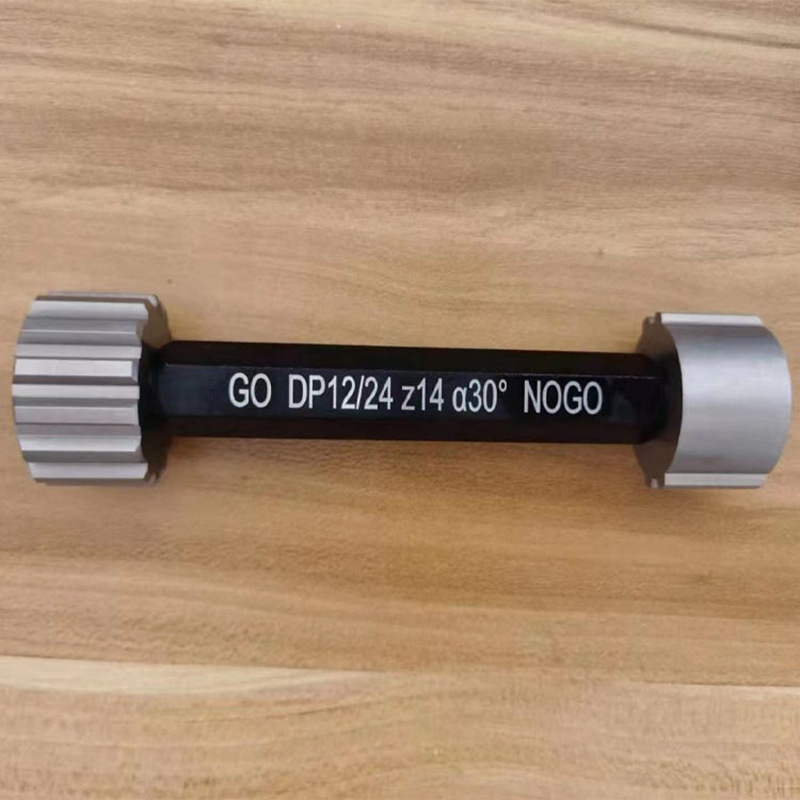
Understanding Spline Gauge An Essential Tool in Precision Engineering In the realm of precision engineering and manufacturing, the importance of accurately measuring and verifying dimensions cannot be overstated. Among the various tools available for this purpose, the spline gauge stands out as a vital instrument specifically designed to measure the profiles of splines—key components in mechanical systems that transfer torque between shafts. A spline is a series of ridges or teeth on a shaft or hole that allows for a secure mechanical connection between components. Commonly found in automotive drive trains, aerospace applications, and industrial machines, splines must meet precise specifications to ensure proper fit and function. This is where the spline gauge comes into play. What is a Spline Gauge? A spline gauge is a specialized measuring tool used to assess the dimensional characteristics of splines, including their thickness, depth, and spacing. Typically made from high-strength materials such as hardened steel, spline gauges are designed to withstand wear and provide accurate measurements. They come in various shapes and configurations to accommodate different types of splines, including involute splines, parallel key splines, and more. The design of the spline gauge allows for both direct measurement of the spline profile and the ability to check the dimensional tolerances specified in engineering drawings . These gauges often incorporate features such as slots or notches that conform to the specific geometry of the spline, enabling quick and reliable checks. Importance of Spline Gauges spline gauge The use of spline gauges is critical in maintaining quality control in manufacturing processes. As splines are crucial for transferring power, any deviation from the specified dimensions can lead to improper engagement, excessive backlash, or even component failure. Thus, a spline gauge serves as an assurance that each part meets required tolerances before it is used in assembly. Moreover, spline gauges are invaluable in the field of maintenance and repair. Technicians can use these gauges to determine whether a worn or damaged spline can be refurbished or needs replacement. This capability can lead to significant cost savings and extended machinery lifespan. Choosing the Right Spline Gauge When selecting a spline gauge, it is essential to consider the specific type of spline being measured and the precision requirements of the application. Different industries may have varying standards, so the gauge must be compatible with the relevant specifications. It is also advisable to choose a gauge with a robust construction that can endure repetitive use in a workshop environment. Conclusion In summary, the spline gauge is a quintessential tool for ensuring precision in the manufacturing and maintenance of spline applications. By accurately measuring the dimensions of splines, it helps maintain the integrity and functionality of mechanical systems. As technology continues to advance, developments in design and materials will likely yield even more effective gauges, further enhancing the ability to produce high-quality components in diverse industries. For engineers and technicians alike, understanding and utilizing spline gauges are essential for achieving excellence in precision engineering.
about
process of tempered glass
The Importance of Properly Turning on Water Valves and Their Role in Modern Plumbing Systems Water valves are a crucial component of any plumbing system, whether in residential, commercial, or industrial settings. They control the flow of water, allowing us to manage our water supply efficiently. One of the simplest yet most important tasks when dealing with plumbing fixtures and systems is knowing how to properly turn on a water valve. This article will discuss the significance of these valves, the correct methods to operate them, and tips for maintenance. Understanding Water Valves Water valves come in various types, including gate valves, globe valves, ball valves, and check valves. Each type serves a specific purpose and operates differently. Gate valves are often used for on/off control, while ball valves provide quick shut-off with minimal pressure loss. Globe valves, on the other hand, are better suited for regulating flow, making them ideal for throttling applications. Regardless of the type, all water valves are integral to managing water flow. They can isolate sections of a plumbing system for repairs, control the flow to appliances, and ensure safe operation during emergencies—such as when a leak occurs. How to Properly Turn on a Water Valve Turning on a water valve may seem straightforward, but doing it correctly is vital for the longevity of your plumbing system. Here’s a step-by-step guide 1. Identify the Valve First, locate the water valve you need to operate. Water valves are typically found under sinks, behind toilets, or near the main water supply. 2. Check for Issues Before turning on the valve, inspect it for any visible issues, such as leaks or corrosion. This can prevent potential problems once the water is turned back on. 3. Use the Right Tool Sometimes, valves may require a wrench or a specialized tool to operate, especially older models. Ensure you have the appropriate tool or simply work by hand for newer or easier-to-manage valves. 4. Turn Slowly If it’s a quarter-turn ball valve, twist the handle 90 degrees; for a multi-turn valve, turn it to the left until it stops. Always ensure you turn slowly to avoid shocking the plumbing system, which could lead to bursts and leaks. turn on water valve 5. Check for Leaks After turning the valve on, observe the area for any leaks . If you notice water seeping out, turn the valve off immediately and assess the situation for necessary repairs. 6. Full Open Position If the valve is intended to be fully open, check that it reaches the fully open position without any obstruction. Tips for Maintenance Regular maintenance of water valves is essential to ensure their effective operation. Here are some tips - Exercise Valves Regularly Turn the valves on and off every few months to prevent them from seizing or becoming difficult to operate. - Inspect for Corrosion Examine the valves for signs of rust or corrosion. Addressing these issues early can prolong their lifespan. - Use the Right Lubricant If a valve is sticking, use a plumber’s grease that is safe for use on plumbing fixtures. - Know When to Replace If you find that a valve consistently fails or is damaged, consider replacing it with a new model to ensure efficient operation. Conclusion Turning on a water valve might seem like a trivial task, but it plays a significant role in managing your plumbing system. By understanding its importance and how to operate it correctly, homeowners and facilities can ensure that their water supply operates smoothly. Regular maintenance and inspections can go a long way in preventing unforeseen water-related issues, ultimately protecting your property and improving your plumbing's efficiency.
-

High quality industrial productsagement

High quality industrial products
View Details -

Meet the diverse needs of customers

Meet the diverse needs of customers
View Details -

Strict quality control

Strict quality control
View Details -

Top raw materials

Top raw materials
View Details -

Trusted supplier

Trusted supplier
View Details
Our application

news and information

welded steel workbench
The Advantages of Using a Welded Steel Workbench In the realm of industrial workspaces, the signific

Y Type Strainer Applications in Industrial Water Filtration
Industrial water filtration is a critical process for maintaining operational efficiency, equipment
Using Thread Ring Gauges for Accurate Thread Inspection and Measurement Techniques
The Importance of Thread Ring Gauges in Quality Control In the world of manufacturing and engineerin
 English